Want to plan an event?
Let us help you bring your vision to life with flexible spaces, lodging, and support tailored to your group’s needs.

Let us help you bring your vision to life with flexible spaces, lodging, and support tailored to your group’s needs.

Let us help you bring your vision to life with flexible spaces, lodging, and support tailored to your group’s needs.
#Creativity in Preaching Project
Written by Rev. Dr. Heather Henson, Director of Quest
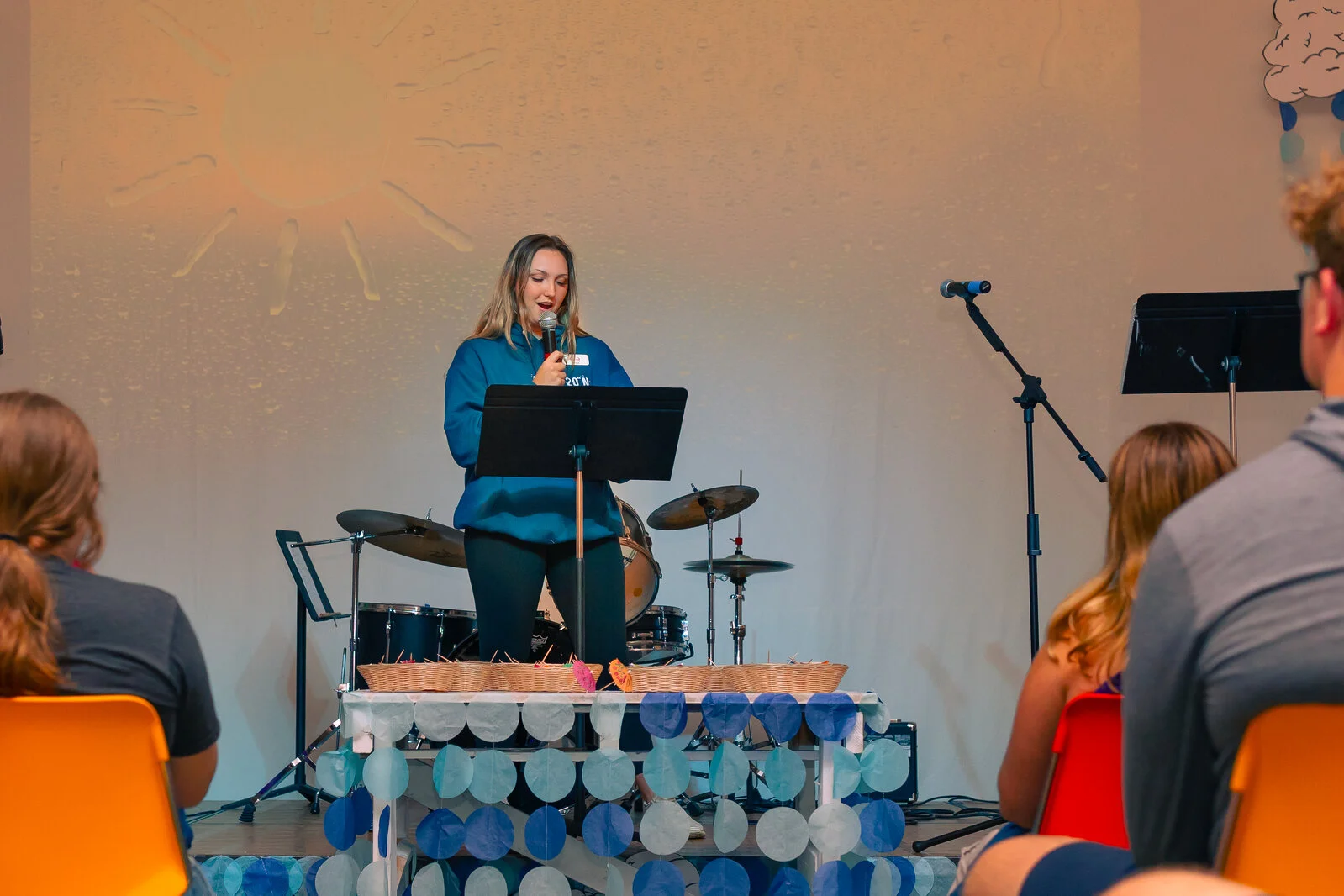
“I’ve given lots of presentations in my life, but somehow, this is different. When I give a presentation, I don’t care if the people in my class really care. I am presenting information for my professor. But when I get up to preach, I realize that this matters so much more, and the nerves take over. I don’t know what to say or how to say it. I get so nervous.”
These are the words one of my summer staffers shared with me as she was working on her messages for the summer. She was well spoken, well educated, and understood how to communicate. However, when it came to preaching, something in her shifted. To her, the task of preaching felt heavier. More personal. More important.
Over the course of the summer, she worked on four different messages, and each one showed growth. However, that growth didn’t come through a formula. Rather, it came because she opened herself up to learning and growing in a space that welcomed imperfection. She kept working, listening to the Spirit, receiving feedback, adjusting, and preaching again.
I think that kind of organic growth is part of what makes preaching different.
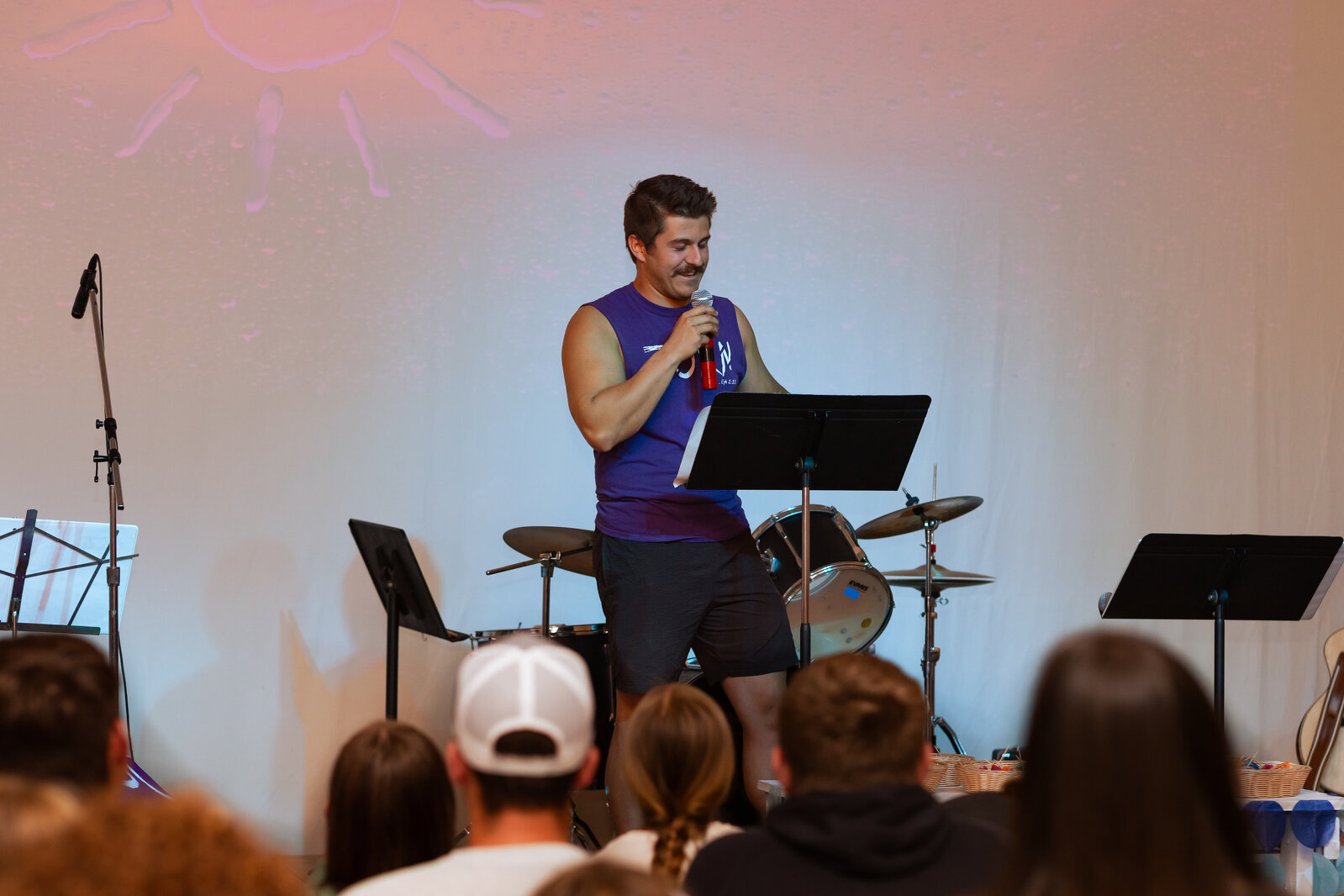
As someone who teaches preaching at the graduate level, I have heard many stories about how preaching is taught in the context of a seminary. One of my greatest frustrations is that, in many contexts, even if students are given the opportunity to preach, they are often tightly managed in how they do it. In some cases, they may be handed outlines for particular passages or given a structure they must follow. I have even seen instances in which they are required to “co-preach” with an “advisor” so that everything stays “on track.” The goal, most of the time, seems to be making sure nothing goes wrong.
I understand the instinct. We want to be faithful and clear when preaching. We also want to make sure what is said is grounded in Scripture. But somewhere along the way, the process often becomes more about control than formation. When that happens, preaching starts to feel like something that can be mastered through the right steps. It’s as if we think, “If we can just get the formula right, the sermon will come together the way it is supposed to.” In that sense, we begin to treat it like a science.
But…Preaching is not a science. It’s an art. And you cannot micromanage art.
Hear me clearly. I am not saying technique is unimportant. Obviously, it matters that we understand Scripture well. It matters that we do the hard work of exegesis. It matters that we pay attention to context, language, and meaning.
However, that is not the same thing as reducing preaching to a formula.
My concern is that when everything is prescribed or controlled, something gets lost.
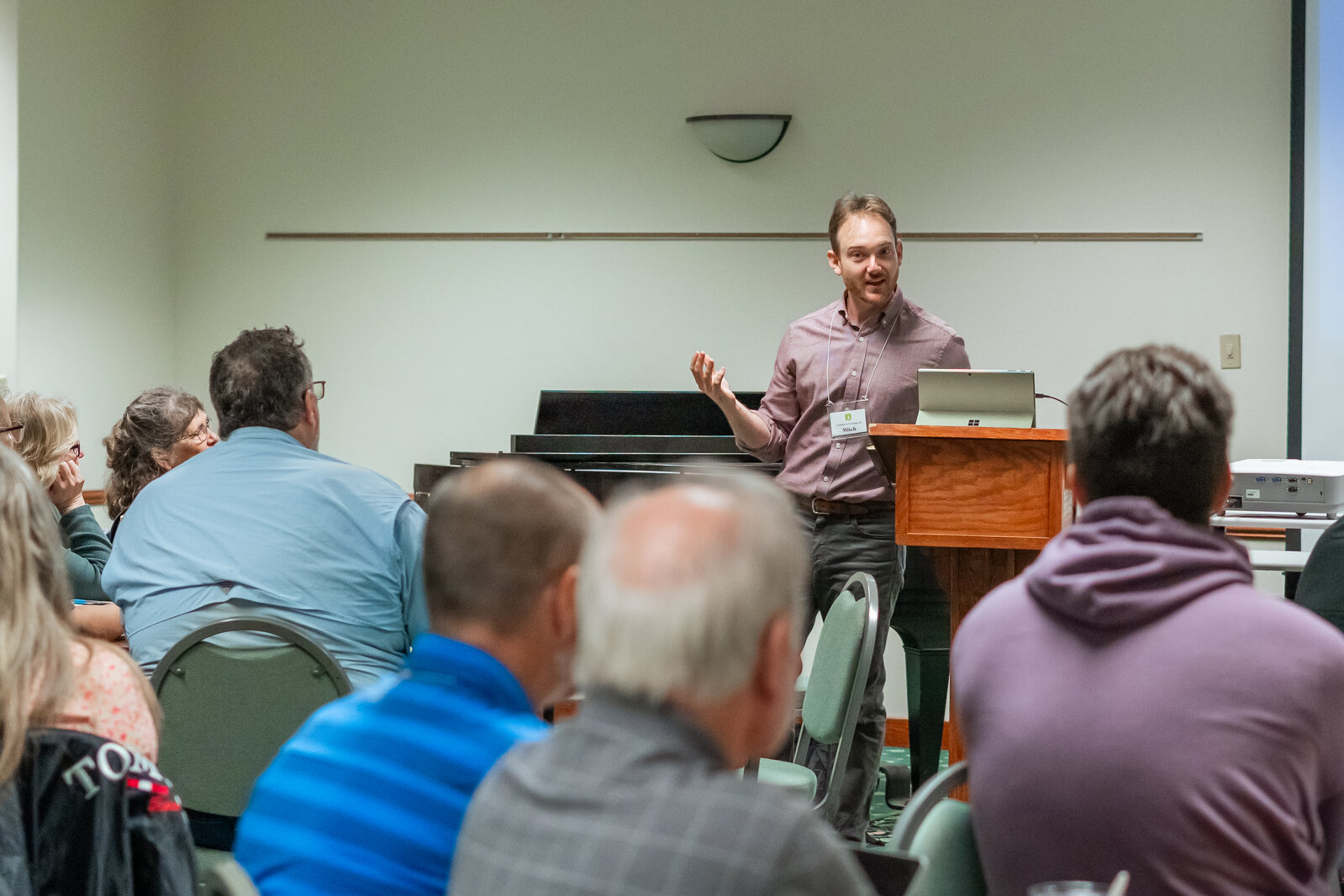
Let’s look back at the young adult I quoted earlier. She understood the passage(s) and had even identified the main points she wanted to make. But she wasn’t sure what to say. In our conversations, we discovered she wasn’t sure she was ready to explore how the passage impacted her personally. I could have easily given her a simple structure or outline for her message. Had I done that, however, we would not have seen the excellence she brought to the task. It could have been simple and easy, but it would have lacked her unique voice and the significant impact that the sermon ultimately had.
Instead, I invited her to spend more time thinking about how she would listen. I wondered with her: “How might you share this information with yourself? What would you say to yourself?
This caused her to slow down and ponder. It helped her sit in the place of the hearer and consider what words, stories, and structure would be most impactful. It invited her into the messy space of considering different things. Rather than being stuck on trying to find the “right way” to present her sermon, she could think through an authentic, creative, and impactful way to share her message that was uniquely hers to share. In short, it helped her begin to reflect on how the passage had already shaped her.
In other words, she stepped into a creative, artistic process.
Next month, we will talk more about that artistic process.