Want to plan an event?
Let us help you bring your vision to life with flexible spaces, lodging, and support tailored to your group’s needs.

Let us help you bring your vision to life with flexible spaces, lodging, and support tailored to your group’s needs.

Let us help you bring your vision to life with flexible spaces, lodging, and support tailored to your group’s needs.
#Creativity in Preaching Project
Written by Rev. Dr. Heather Henson, Director of Quest
In part one, I wrote about the importance of opening up the pulpit and trusting that the Holy Spirit is already at work in people we might not expect. Letting others preach is not about lowering standards or abandoning formation. It is about recognizing that God has always used unexpected people to speak truth, bear witness, and proclaim good news.
But letting people preach does not simply mean handing someone a microphone and hoping for the best. It requires care, invitation, and formation. It requires walking alongside people as they learn to name what God has done in their lives and how to speak about it faithfully. That is where this second reflection begins.
Last summer, I found myself witnessing just how powerful that kind of invitation can be.
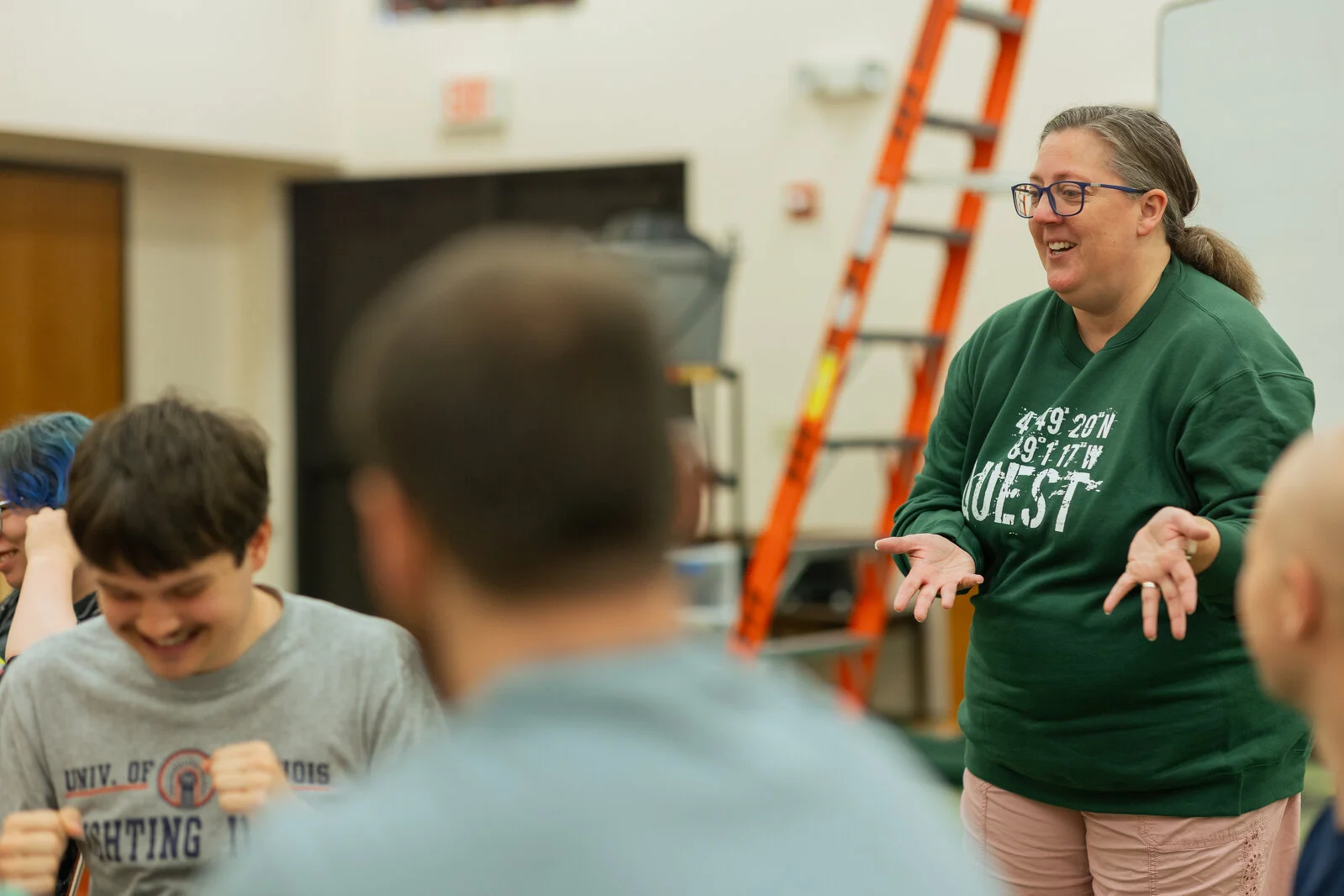
The youth attending camp last summer had the opportunity to choose from multiple workshops. The one I was leading invited students to learn about how to write their testimony and share about Jesus’ work in their lives. It was the first time I had done something like this formally with junior and senior high students, and I was fully expecting to have little to no youth interested in the workshop.
To my surprise, several youth showed up to the first session, along with a couple of adult leaders. That may sound like a small group, but I was delighted! We sat around a couple of tables, and I walked them through a very basic, step-by-step process of thinking about how to write, plan, and present a short testimony of God’s work in their lives.
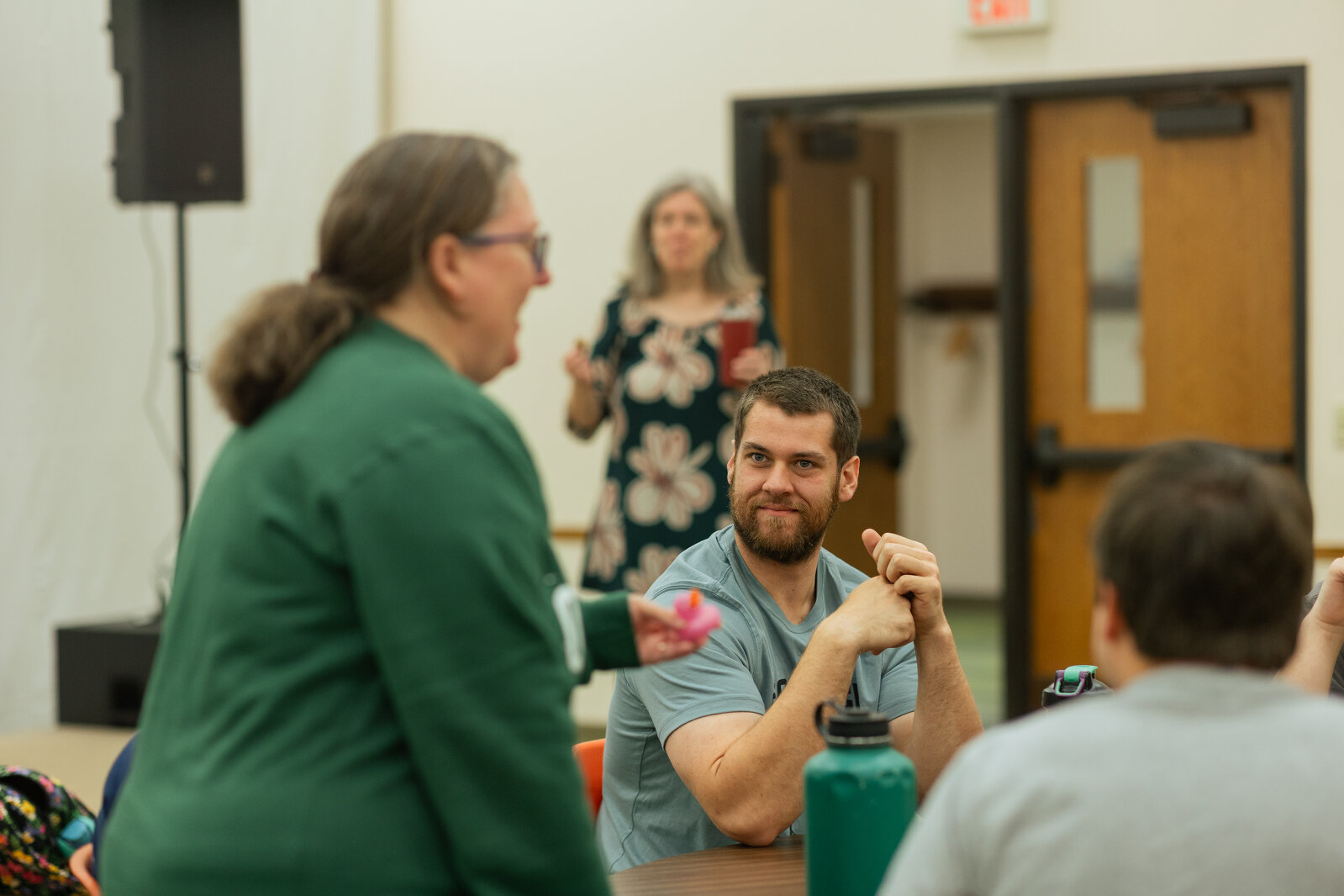
I felt anxious. It was not fancy. There were no games. There was not much conversation. It was just me explaining each step and then giving the students a few minutes to begin working on that step.
What surprised me was how fully engaged they were. They put their full attention and effort into the workshop. In fact, at the end of the hour-long workshop, there were still youth sitting at the tables who wanted to keep going. They wanted to finish writing their testimony. They wanted to share their story. They wanted to name how God had shown up in their lives.
So, somewhat spontaneously, I offered that if one or two of them wanted to share a three to five-minute testimony with the whole camp on Thursday night, they could bring me their fully written testimony the next day. We would go through it together, and then they could share.
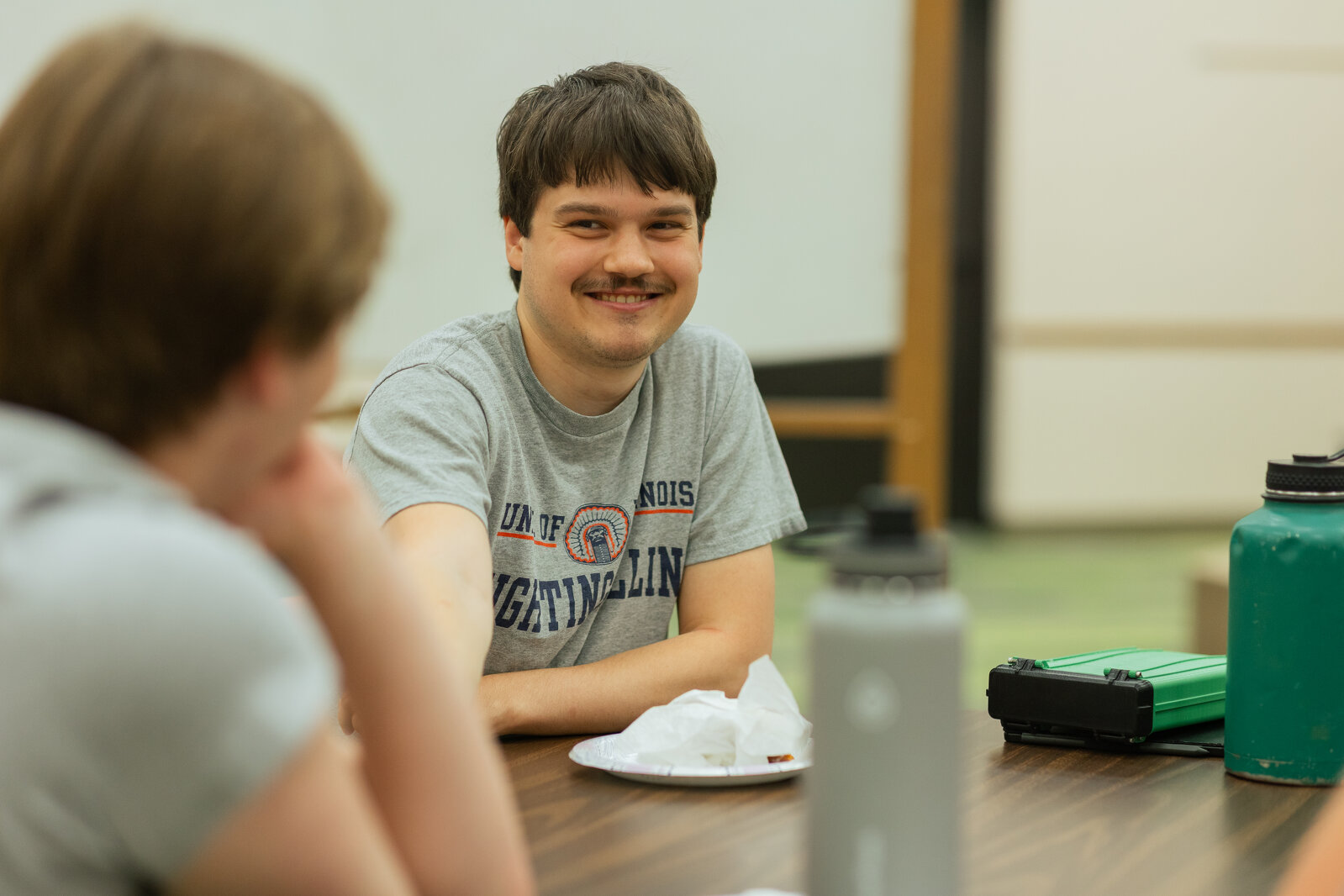
I had three students come to me the next day.
Three students who wanted to stand up and testify to how God had shown up and transformed their lives.
When Thursday night came around, I was nervous. Would this go well?
It was moving. It was powerful. It was the gospel proclaimed. It was true and good and beautiful.
And then it happened again. Week after week.
Each week, the youth continued to show up to the workshop. Each week, they gave their full attention and energy to the process. Each week, two or three students did the work of writing and refining their testimony and then stood up to speak about God’s life-changing, transformational work in their lives in a thoughtful, prepared, Scripture-infused way.
These youth were not doing extensive exegesis. They were not writing new theology or offering cultural critique. But they were doing something that we desperately need in our sermons, our gospel presentations, and our churches. They were testifying to God’s present, active, transformational work in their own lives.
The most important part of preaching well is letting the Word of God be preached to you first.
I could have prepared and delivered sermons with creative visuals and polished illustrations. But I am not convinced those sermons would have had the same impact as hearing peers speak honestly about how God had met them, changed them, and called them into new life.
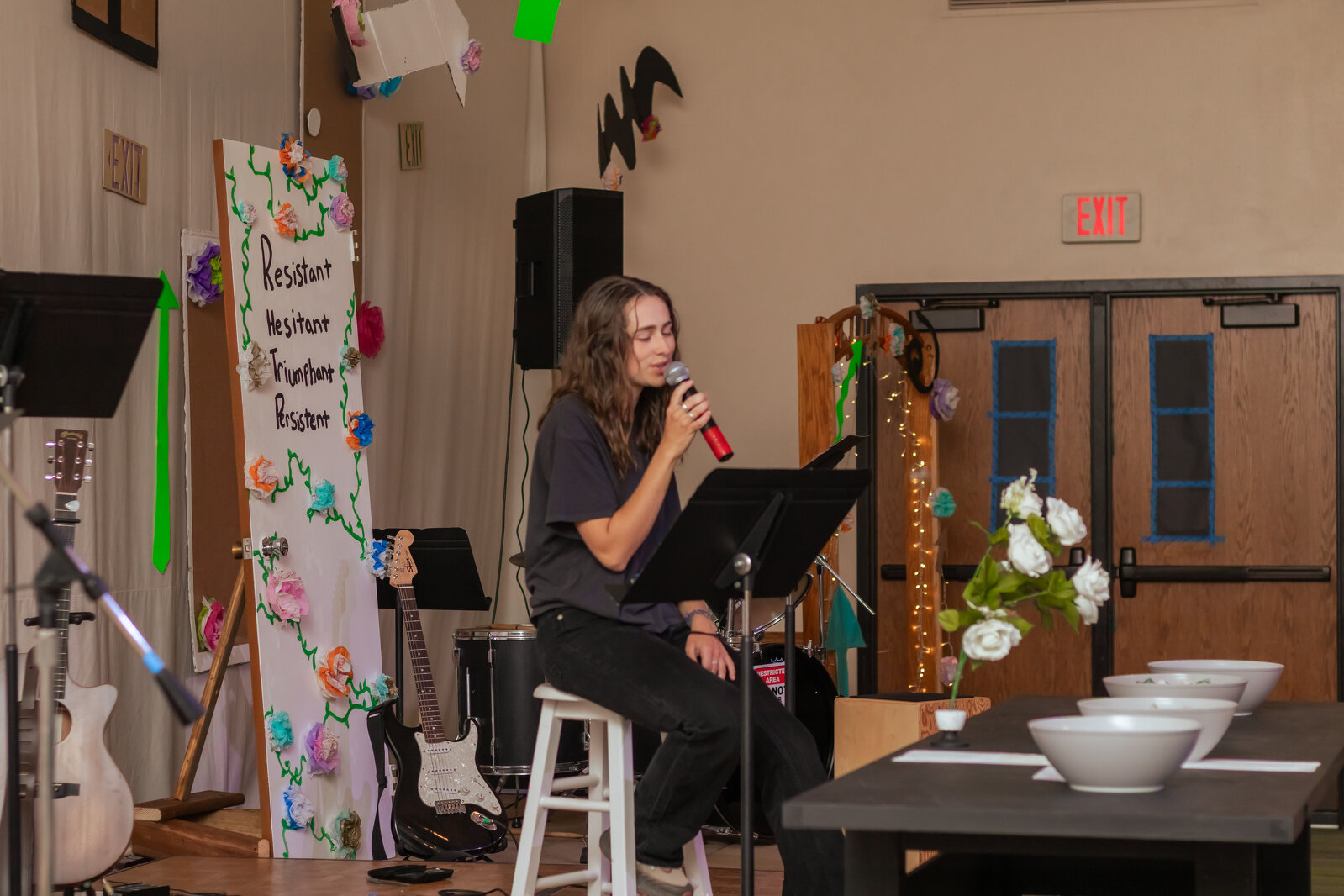
This brings us back to the heart of this two-part reflection. Letting people preach is not about performance. It is about bearing witness.
In Part One, the invitation was to stop guarding the pulpit and trust that the Holy Spirit is already forming preachers among us. In this second reflection, the invitation is to create space to walk with people. Give them a small frame of reference, a little structure, and a lot of encouragement to find their voice.
Who needs to testify in your space?
Who needs to be walked through the process of naming what God has done in their life?
What is stopping you from creating that space?
When we let people preach, when we help them find language for their faith, and when we trust the Holy Spirit to do what only the Holy Spirit can do, something shifts. The gospel is no longer something that is only spoken from the front. It becomes something that is shared, embodied, and lived within the whole community.
And that is where transformation takes root.