Want to plan an event?
Let us help you bring your vision to life with flexible spaces, lodging, and support tailored to your group’s needs.
Let us help you bring your vision to life with flexible spaces, lodging, and support tailored to your group’s needs.
Let us help you bring your vision to life with flexible spaces, lodging, and support tailored to your group’s needs.
#History & Legacy
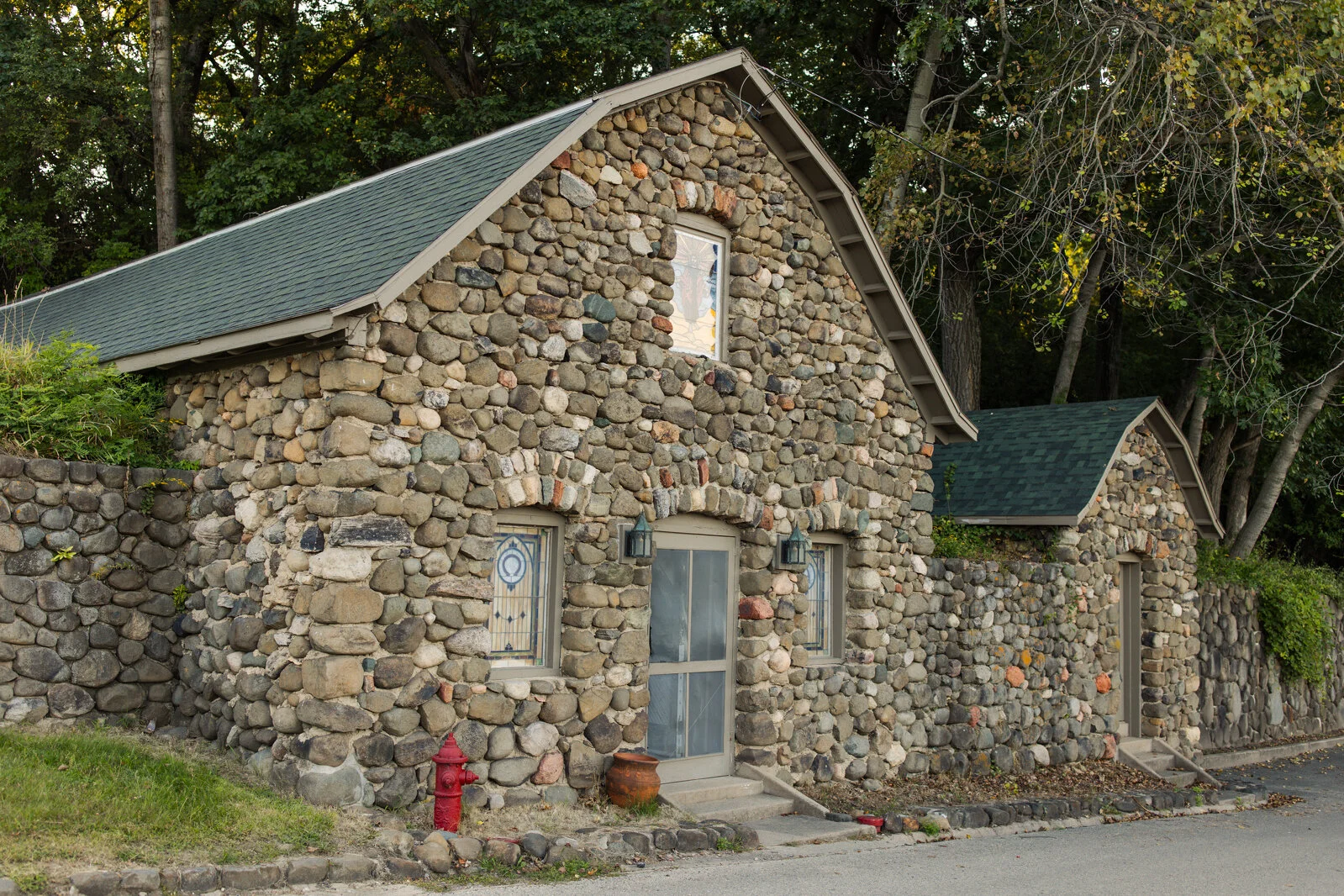
Tucked quietly on the grounds of Green Lake Conference Center, Spurgeon Chapel holds a story that’s easy to miss, but hard to forget once you know it. Long before it became a place of worship, this small stone building served a very different purpose.
Spurgeon Chapel was originally built in 1904 by the Lawson family, not as a chapel, but as a root cellar.
Its thick stone walls and minimal light created the perfect environment to store crops grown on the property: carrots, onions, potatoes, parsnips, and apples. In a time before modern refrigeration, this simple structure played an essential role in sustaining the estate through the seasons.
Just next door, a smaller building was used for fuel storage, both structures quietly supporting the rhythms of daily life on the land.
To understand Spurgeon Chapel, you have to understand the people behind it.
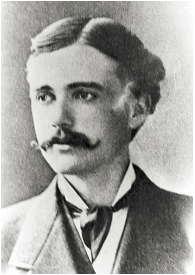
Victor Lawson
Victor Lawson, a successful publisher of the Chicago Daily News, began his career as a “printer’s devil” in Chicago. He later married Jessie, whom he met in a church choir, a partnership that would eventually shape the very land Green Lake Conference Center now calls home.
Their connection to Green Lake began in 1888, during what seemed like an ordinary summer day. While out on the lake with friends, Jessie was caught in a sudden storm. The boat was forced to land at Lone Tree Point, named for the single cottonwood tree standing at its edge. As they waited out the storm in a small shack, Jessie made a decision that would change everything.
She chose that very spot as a refuge, a place set apart from the pressures and pace of city life in Chicago.
Before the year was over, the Lawsons had purchased 10 acres, including Lone Tree Point, and began what would become Lone Tree Farm. Over time, that initial purchase grew into an estate of more than 1,100 acres.
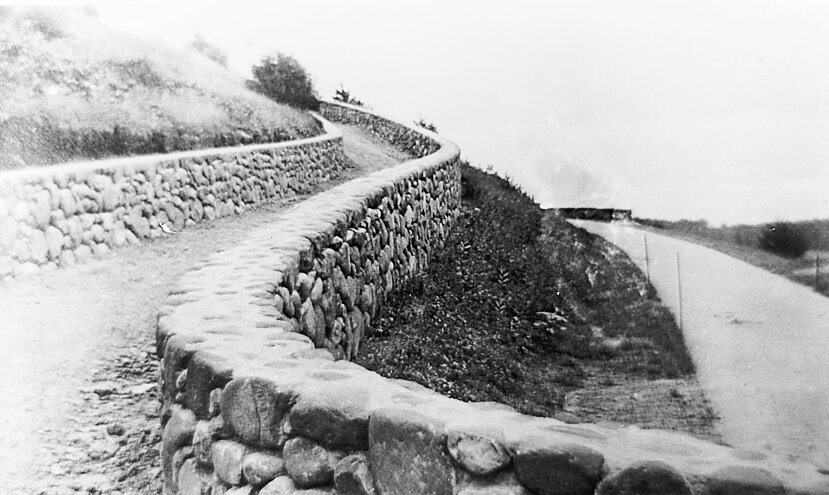
Jessie Lawson, the primary visionary behind the development, invested deeply in the property, both financially and personally. She transformed the land into something remarkable, building:
She also maintained a working farm with horses, pigs, sheep, and herds of Guernsey and Jersey cattle. The Guernsey barn, built in 1916, still stands as the largest barn in Wisconsin.
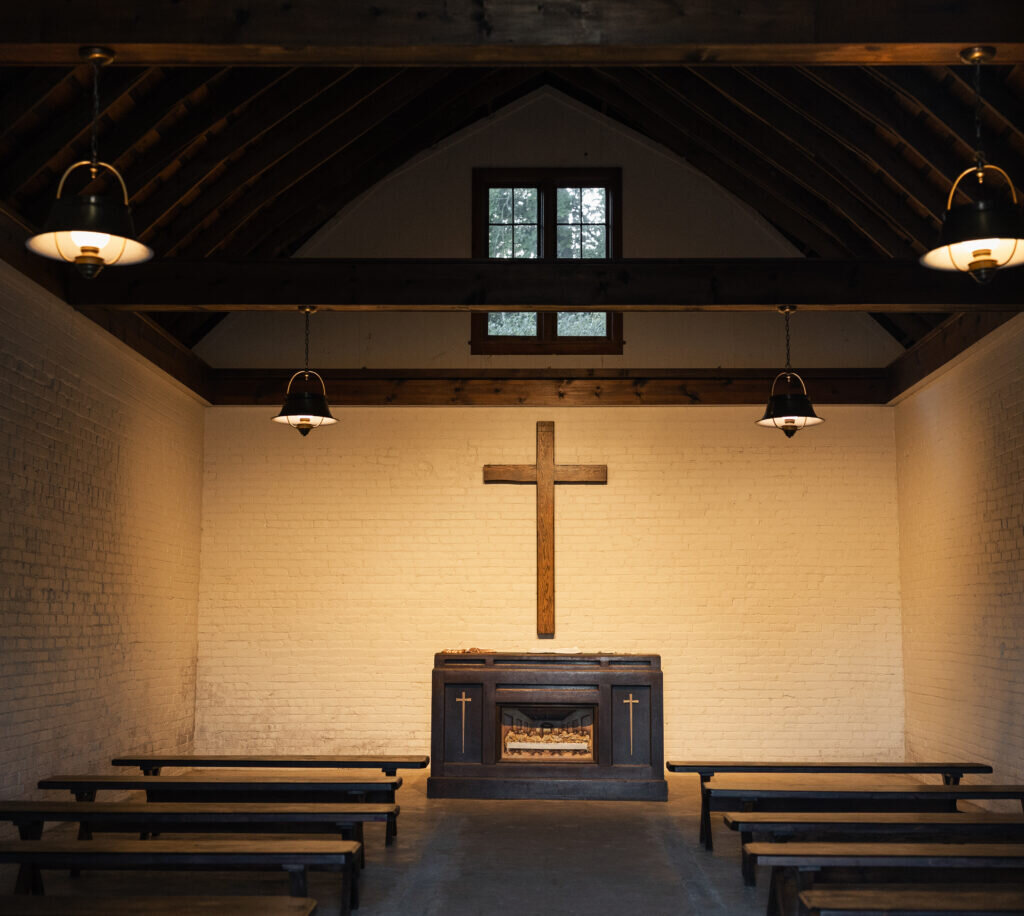
Many years later, the simple root cellar was transformed into Spurgeon Chapel. What was once a place that preserved physical nourishment became a space for spiritual nourishment. The building was remodeled and furnished as a chapel, and named in honor of Charles Haddon Spurgeon, the influential British preacher known for his powerful proclamation of the gospel at London’s Metropolitan Tabernacle.
Today, Spurgeon Chapel remains one of the most unique spaces on the grounds. It’s small. Simple. Unassuming. But that’s part of what makes it meaningful. For many who visit, it becomes a place to step away, to be still, and to remember that even the most ordinary spaces can be transformed into something sacred.